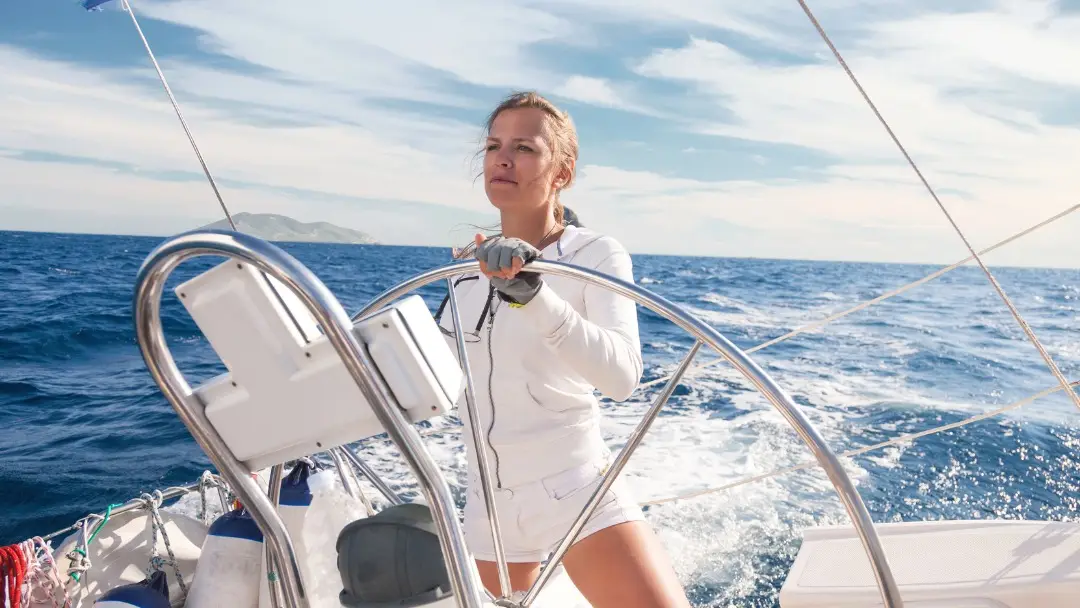
A bareboat charter in Croatia means renting a yacht without a skipper or crew and taking full responsibility for navigation, safety, mooring, and daily operation. You choose the route, set the pace, and shape the trip around your group, which is why this option appeals to experienced sailors who want privacy and flexibility along the Croatian coast.
Unlike a skippered charter, a bareboat holiday requires at least one person on board to have the appropriate sailing competence and documentation. In practice, this is the closest thing to having your own floating home for a week or more, whether you prefer a sailing yacht for a classic cruising feel or a catamaran for extra comfort and space.
Who can rent a yacht without a skipper?
Not every traveler can book a bareboat charter just by choosing dates and a boat. In Croatia, the charter company must be satisfied that the person acting as skipper can legally and safely operate the vessel.
Usually, that means the designated skipper must have:
- a valid sailing license accepted in Croatia
- a VHF radio certificate
- practical competence to handle the specific yacht
The charter company may also ask for a crew list, identification documents, and a security deposit before departure. Even when a license is valid on paper, experience still matters. Handling a 45-foot monohull or a large catamaran in a crowded marina during summer wind conditions is very different from casual inland or day sailing.
For groups without enough experience, a skippered charter is often the better option. It reduces stress and allows everyone to enjoy the sailing holiday without worrying about docking, anchoring, fuel planning, or route changes caused by weather.
Required licenses in Croatia
When booking a charter in Croatia, the key rule is simple: the skipper must hold a license recognized by the Croatian authorities, and someone on board must hold a valid VHF certificate. In many cases, one person may hold both.
Because accepted licenses can vary depending on the country of issue and updates in official recognition lists, travelers should always confirm their documents with the charter company before paying. This step is essential, especially for international guests arriving in Split from outside Europe.
A charter operator will typically verify:
- the exact name of the license
- the issuing country or authority
- whether the certificate covers the size and type of boat
- whether the VHF qualification is valid
If there is any doubt, the safest solution is to arrange a professional skipper rather than risk being denied embarkation at the marina.
How much does a bareboat charter in Croatia cost?
The price of a yacht charter in Croatia depends on season, yacht model, boat age, marina base, and onboard equipment. A smaller sailing yacht in the shoulder season will cost far less than a newer catamaran in peak summer.
The total budget usually includes more than the base charter fee. Common cost items are:
- yacht rental
- transit log or final cleaning
- refundable security deposit
- tourist tax, if applicable
- fuel
- marina fees outside the home base
- food and drinks
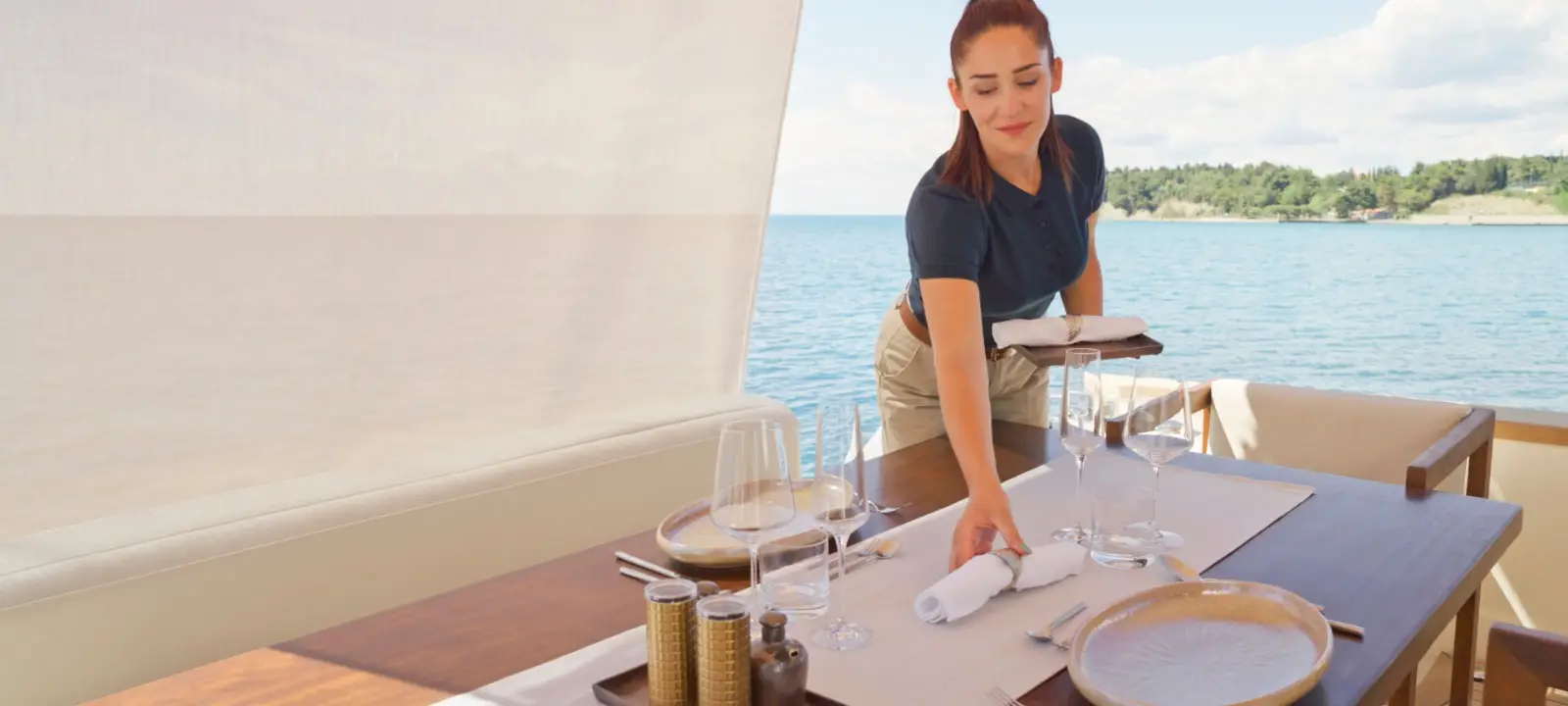
- optional extras such as an outboard engine, paddleboard, safety net, or hostess
A one-week bareboat charter in Croatia often looks attractive at first glance, but the real cost depends on your cruising style. If you spend every night in a busy town marina, dine ashore daily, and choose premium berths near top island destinations, the budget rises quickly. Anchoring in sheltered bays, cooking onboard, and planning fuel-efficient routes can make the trip much more economical. For a broader breakdown of expected expenses, charter cost is worth considering as part of your planning.
Monohull vs catamaran: which is better?
Choosing between a monohull and a catamaran shapes the entire sailing experience.
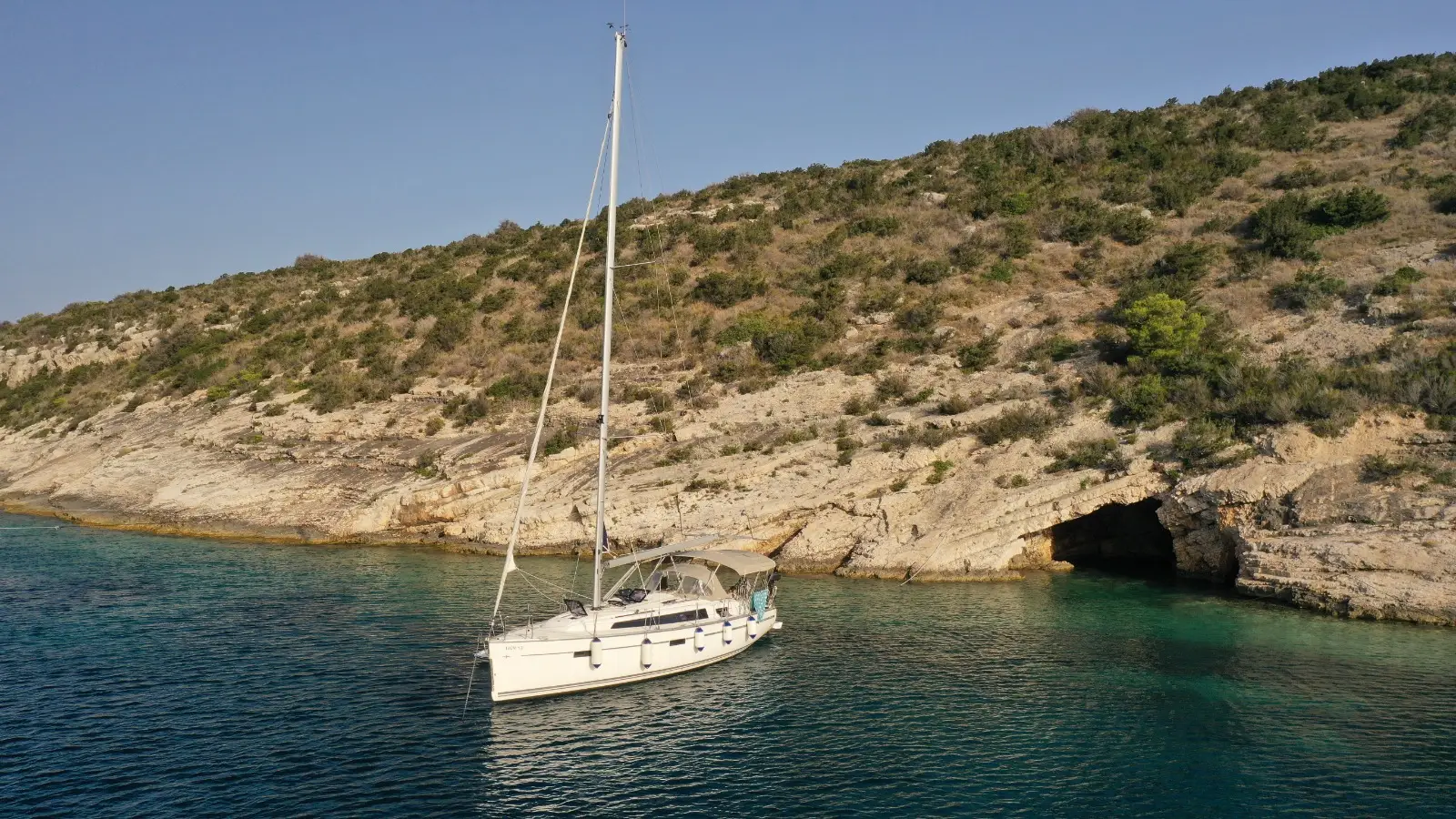
A monohull sailing yacht is usually the traditional choice. It is often more affordable, sails well upwind, and gives a more classic connection to the sea and wind. It may suit couples, smaller families, or crews who care more about sailing feel than interior volume.
A catamaran offers more beam, more deck space, and greater stability at anchor. Cabins are typically more comfortable, and the saloon layout works especially well for families or groups of friends. Catamarans are excellent for relaxed island hopping, swimming stops, and long meals on deck, but they are usually more expensive and require greater attention when finding space in a marina.
For many travelers in Croatia, the choice comes down to priorities: performance and value with a monohull, or space and comfort with a catamaran.
Typical itineraries from Split
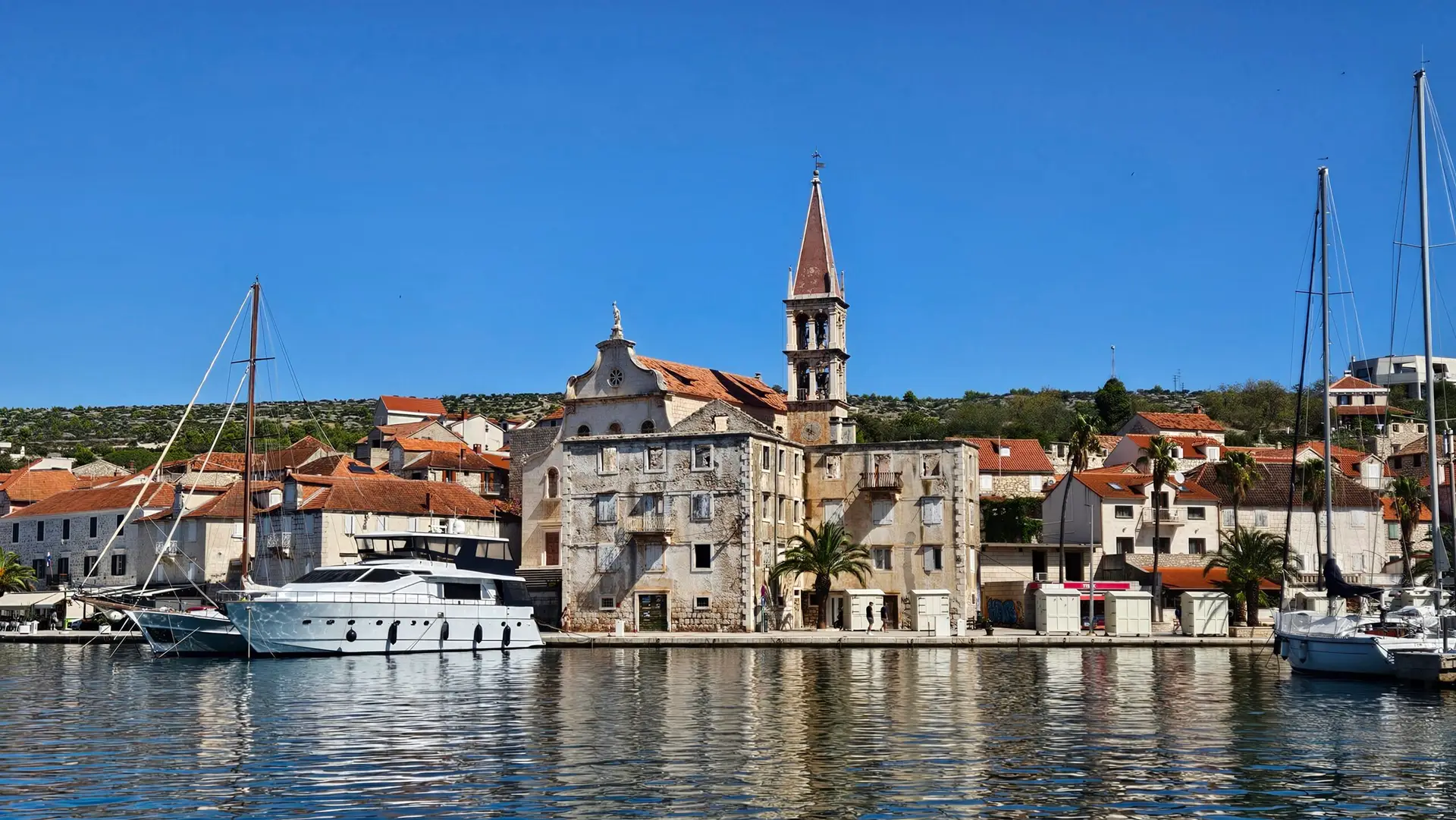
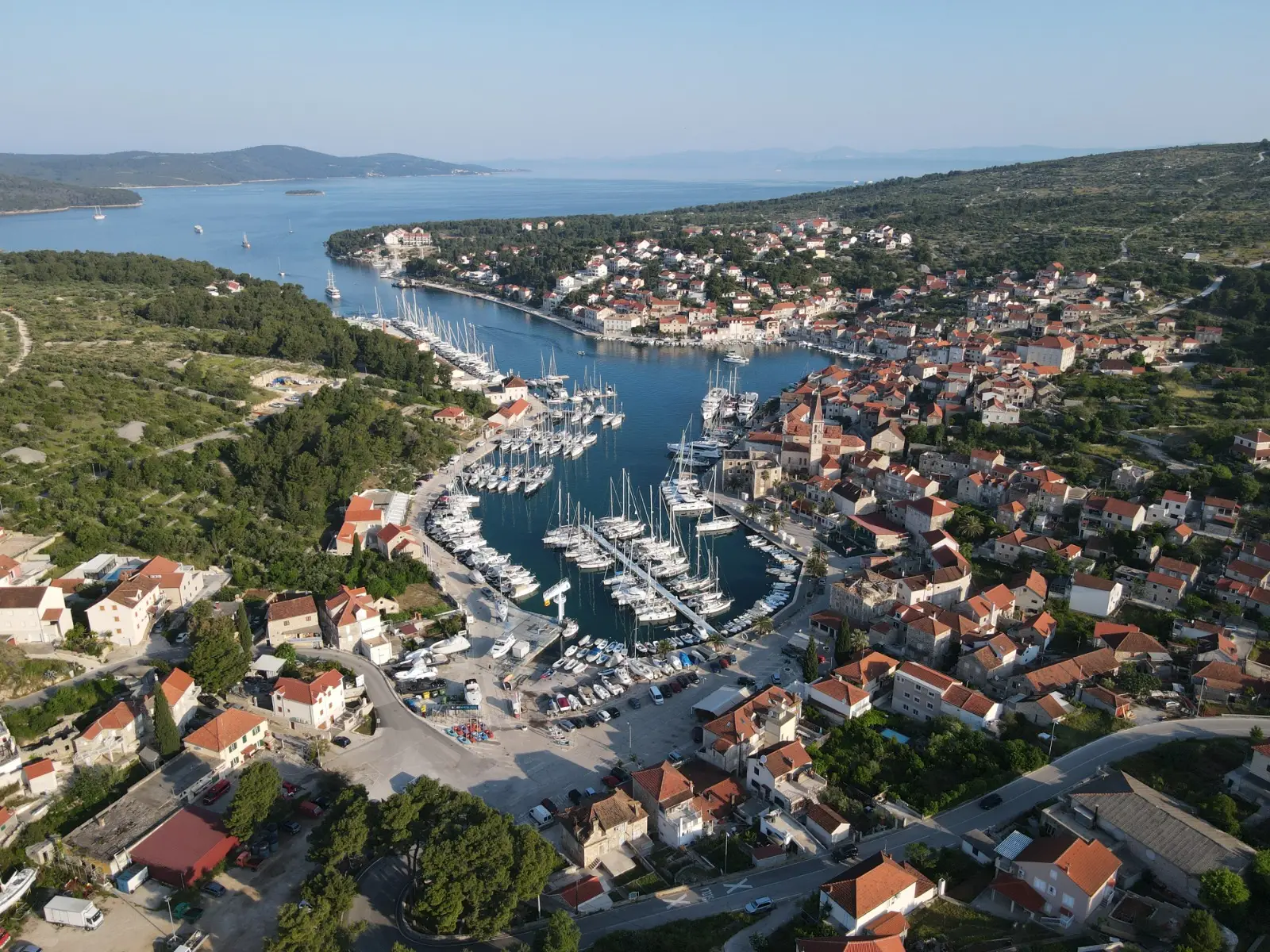
Split is one of the most popular starting points for a sailing holiday in Croatia because it gives easy access to central Dalmatian islands. A common one-week itinerary may include Brač, Hvar, Vis, and Šolta, combining lively town promenades with quiet bays and clear water. This route works well for crews who want a balance of nightlife, swimming, historic places, and manageable sailing distances.
Another popular option includes a visit toward Kornati waters or a route focused on lesser-known anchorages, depending on wind and available time.
The best itinerary is never just the most famous one. It should match the crew’s experience, daily sailing range, children’s needs if traveling as a family, and expected weather conditions.
Common mistakes first-time bareboat crews make
Many problems on a bareboat charter are avoidable.
One common mistake is planning too many stops in too little time. Croatia looks compact on a map, but real sailing depends on wind, marina traffic, check-in schedules, and mooring availability.
Another error is underestimating marina maneuvers. Strong crosswinds, narrow fairways, and peak-season crowds can turn a simple docking into the most stressful part of the day.
Other frequent issues include:
- ignoring weather forecasts
- arriving with licenses that were never pre-approved
- choosing a boat too large for the skipper’s experience
- failing to reserve berths where needed
- using excessive engine time instead of planning sensible sailing legs
- treating the trip like a hotel stay rather than an active boating holiday
Good preparation improves the whole charter experience far more than chasing an overly ambitious route.
Frequently asked questions
Is bareboat charter suitable for beginners?
Usually not. If your practical sailing background is limited, a skippered option is the safer and more enjoyable choice.
How many days should I book?
A week is the standard format and gives enough time to enjoy several island stops without rushing. Shorter trips are possible, but they reduce flexibility.
How much fuel will I spend?
Fuel costs depend on the yacht type, engine hours, route length, sea conditions, and how much you actually sail versus motor. In many one-week charters, fuel is a moderate part of the total budget, but it rises if you cover long distances under engine or run generators extensively on larger yachts.
Can I anchor anywhere?
No. You should only anchor where it is legally permitted, safe for your draft and weather conditions, and where the seabed offers good holding. Some bays have regulated mooring fields, protected zones, or local restrictions, so it is important to check charts, marina guidance, and local rules before dropping anchor.
Is Croatia good for beginners?
Croatia can be friendly for developing sailors because distances between islands are often manageable, and there are many marinas and sheltered stops. Still, a bareboat charter is not ideal for complete beginners, especially in summer crowds, changing winds, and busy harbor conditions.
Catamaran or sailboat?
It depends on your priorities. A catamaran usually offers more space, stability, and comfort at anchor, while a sailboat is often more affordable and gives a more traditional sailing feel. Families and groups often prefer catamarans, while experienced sailors may enjoy the handling of a monohull.
What if there is bad weather?
The skipper must adapt the plan to the forecast and real conditions. That may mean changing route, leaving earlier, staying longer in a safe harbor, or canceling a leg completely. Flexibility is an essential part of safe sailing in Croatia.
Can children come aboard?
Yes, many families sail in Croatia with children. The key is choosing the right boat, planning realistic daily distances, using proper safety equipment, and selecting sheltered stops and family-friendly swimming bays.
What is the best boat for a family sailing holiday?
A catamaran is often preferred for space, stability, and comfort, while a monohull can be a better-value option for smaller families.
Do I need to plan every marina in advance?
Not always, but in high season it is wise to plan key overnight stops early, especially in popular town harbors and well-known island destinations.